
Dentistry Smile design Udaipur
Smile Design in Udaipur: Your Guide to a Naturally Beautiful Smile
Discover how personalised smile design can improve the appearance of your teeth while respecting your natural facial features. Explore digital smile planning, veneers, clear aligners, teeth whitening, treatment timelines and cost factors in Udaipur.
In this guide
- What Is Smile Design?
- What Is Digital Smile Design?
- What Dental Concerns Can Smile Design Address?
- What Makes a Smile Look Natural?
- Treatments Used in a Smile Makeover
- Smile Design Treatment Options Compared
- How Does Smile Design Treatment Work?
- How Long Does a Smile Makeover Take?
- What Is the Cost of Smile Design in Udaipur?
- Who Is a Suitable Candidate for Smile Design?
- Are There Risks or Limitations to Smile Makeovers?
- How to Maintain Your Smile After Treatment
- Why Explore Smile Design at Fernwehs Aesthetics & Dentistry?
- Frequently Asked Questions About Smile Design
A beautiful smile does not have to be perfectly symmetrical, unusually white or identical to someone else's. The most natural-looking smiles complement the face, express personality and feel comfortable in everyday life.
Perhaps you have always wanted to improve the shape of your front teeth, close a gap, brighten discoloured teeth or correct an uneven smile. Modern cosmetic dentistry offers several ways to address these concerns, but choosing the right combination of treatments begins with understanding what suits you.
At Fernwehs Aesthetics & Dentistry in Udaipur, smile design brings together dental assessment, aesthetic planning and personalised treatment. Rather than following a standard template, the aim is to create a smile that works in harmony with your facial features, oral health and personal preferences.
What Is Smile Design?
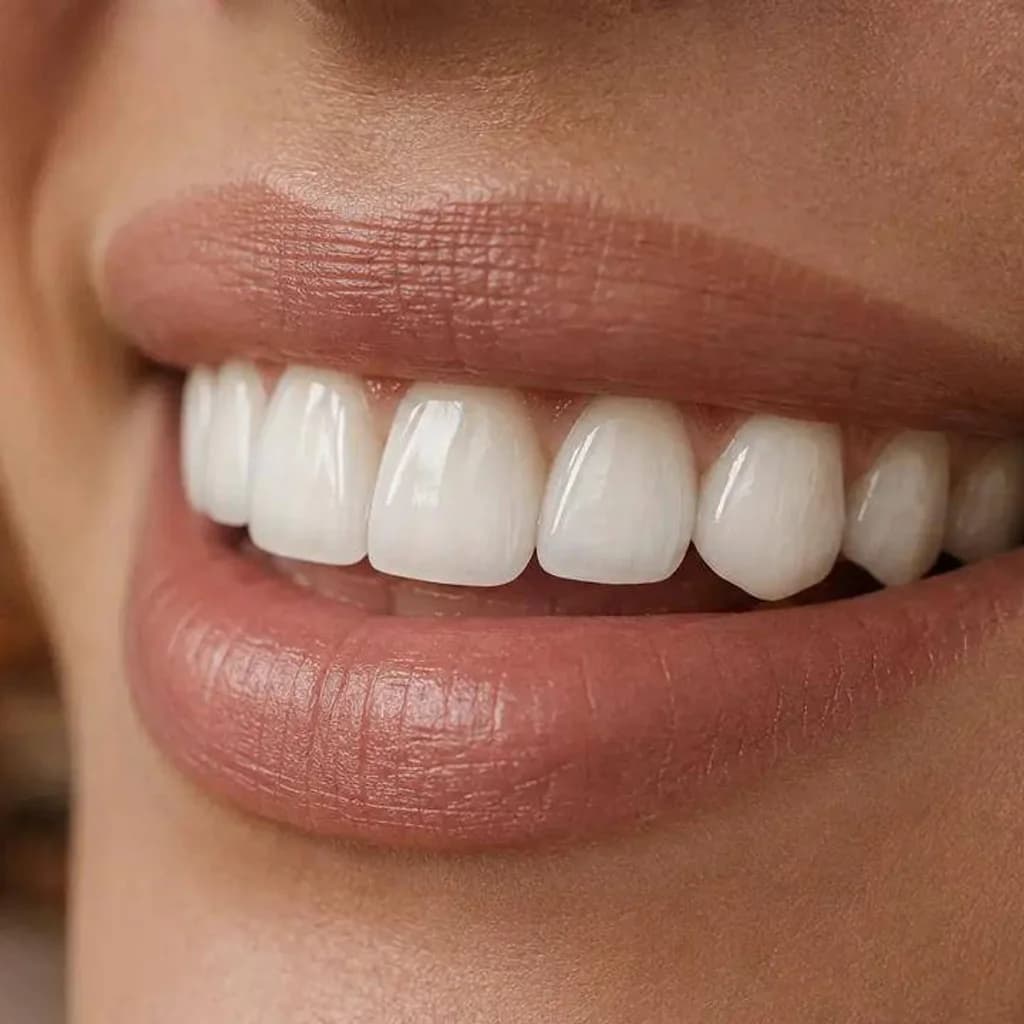
Smile design is a personalised approach to planning dental treatments that improve the appearance of your smile. It considers the colour, shape, size and alignment of your teeth, as well as the appearance of your gums, lips and surrounding facial features.
It is not a single dental procedure. Depending on your needs, a smile design plan might involve one treatment or a combination of cosmetic, orthodontic and restorative procedures. For some people, professional teeth whitening is sufficient. Others may benefit from clear aligners, veneers or treatment to restore damaged or missing teeth.
A carefully planned smile makeover also takes into account how your teeth meet when you bite, the condition of your gums and the amount of healthy tooth structure that can be preserved. Aesthetic improvements should never come at the expense of oral health.
What Is Digital Smile Design?
Digital smile design, sometimes referred to as DSD, uses digital records and visual planning tools to help a dentist assess and plan changes to a patient's smile.
Depending on the case, the planning process may incorporate facial photographs, videos, dental scans and digital models of the teeth. These records help the dentist examine the relationship between the teeth, lips and face and discuss possible aesthetic improvements.
A digital simulation or physical mock-up, when appropriate, can help you visualise proposed changes before deciding to proceed. It can also make conversations about tooth shape, proportions and treatment goals more specific.
However, a digital preview is a planning aid, not a guarantee of the final result. Your actual outcome depends on your anatomy, oral health, selected procedures and response to treatment.
What Dental Concerns Can Smile Design Address?
A smile makeover may be suitable for patients who wish to address concerns such as:
Discoloured, stained or unevenly coloured teeth
Small gaps between teeth
Chipped, worn or irregularly shaped teeth
Crooked or crowded teeth
Teeth that appear too short or disproportionate
Uneven gum contours or excessive gum display
Missing teeth that affect the appearance of the smile
Older dental restorations that no longer match surrounding teeth
The appearance of a dental concern does not always reveal its cause. For instance, worn teeth may be related to grinding, while a gap may result from tooth position, tooth size or gum disease. Identifying the cause helps the dentist recommend treatment that addresses more than the visible symptoms.
What Makes a Smile Look Natural?
Smile aesthetics involves more than choosing a tooth shade. A dentist may evaluate several features when developing a smile design plan.
Tooth Shape and Proportions
The relative width, length and contours of your teeth influence how balanced your smile appears. The goal is to establish proportions that complement your individual features, rather than applying a universal formula.
Smile Arc and Lip Movement
The smile arc describes the relationship between the edges of the upper front teeth and the curve of the lower lip during smiling. Lip movement and how much tooth is visible at rest or while speaking can also influence treatment decisions.
Tooth Colour and Texture
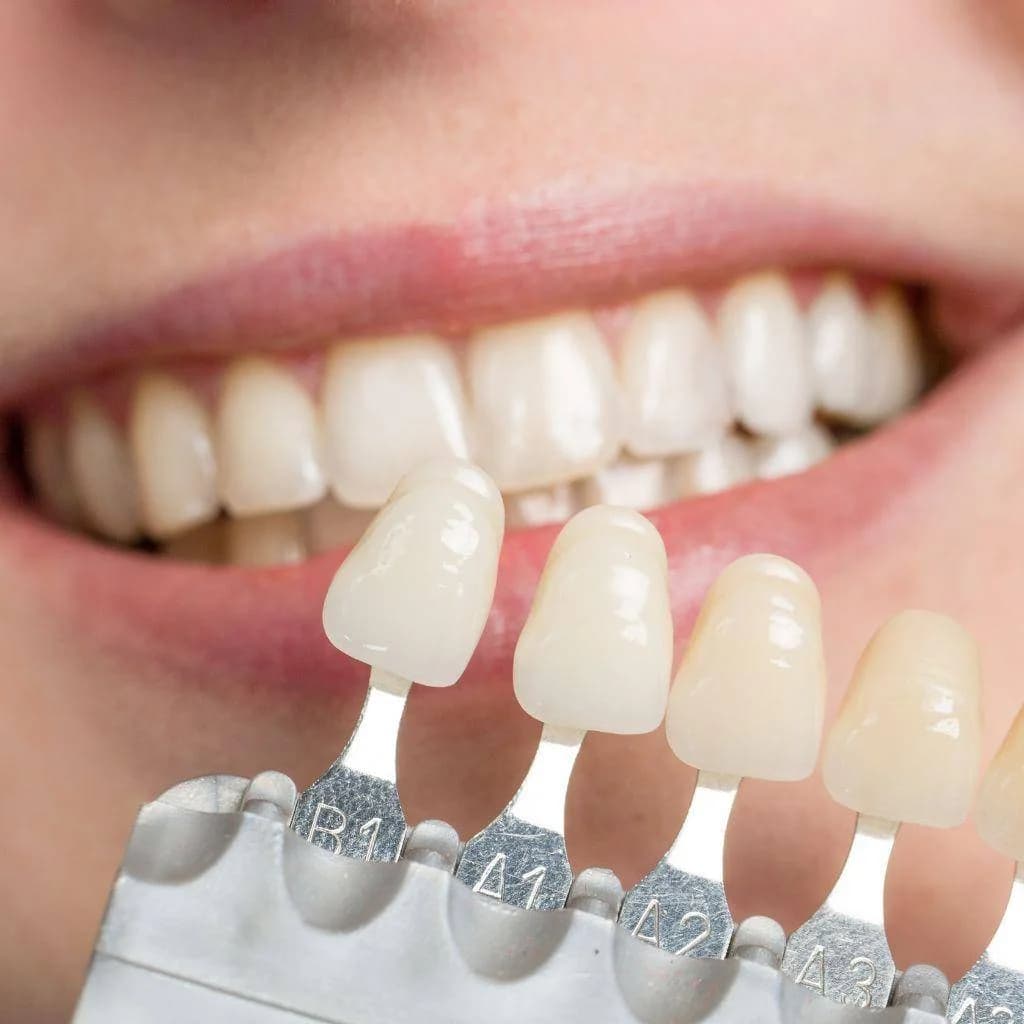
Natural teeth have subtle variations in shade, surface texture and translucency. A carefully selected colour should work with the surrounding teeth and your aesthetic preferences instead of automatically targeting the brightest possible white.
Gum Appearance
The height and contours of the gums contribute to the overall appearance of the smile. Healthy gums are also essential for supporting teeth and dental restorations.
Facial Harmony and Bite Function
Your smile is part of your face, and your teeth must continue to function comfortably when you eat and speak. Planning therefore considers facial features alongside the bite, tooth position and available tooth structure.
Treatments Used in a Smile Makeover
There is no requirement to undergo every treatment listed below. Your dentist will recommend options based on your diagnosis, goals and preferences, prioritising conservative approaches where suitable.
Professional Teeth Whitening
Professional whitening can help lighten certain types of natural tooth discolouration. It may be an appropriate starting point when you are generally satisfied with your tooth shape and alignment but would prefer a brighter smile.
Whitening does not change the colour of existing crowns, veneers or fillings. It may also cause temporary tooth sensitivity or gum irritation. If your smile makeover includes new restorations, your dentist can advise on the appropriate sequence of whitening and restorative treatment.
Porcelain Veneers
Porcelain veneers are individually fabricated coverings for the front surfaces of teeth. They can modify visible tooth contours, conceal selected imperfections and improve the appearance of teeth when clinically appropriate.
Many veneer treatments require some removal of enamel, making the decision irreversible. Veneers may also need replacement or repair over time. Your dentist should explain whether a less invasive option could achieve your goals before you choose veneers.
Composite Bonding
Composite bonding uses tooth-coloured resin to reshape selected areas of a tooth. It may be suitable for small chips, minor contour changes or certain gaps.
Bonding often requires little or no removal of healthy enamel. However, composite material can stain, wear or chip and may need periodic maintenance.
Invisalign and Orthodontic Treatment
When the primary concern is tooth position, orthodontic treatment can move the teeth rather than simply changing their visible shape. Clear aligners such as Invisalign or conventional braces may be considered for crowding, spacing and certain bite problems.
Alignment may also be recommended before veneers or bonding to reduce the amount of tooth preparation needed. Clear aligners require consistent wear and are not suitable for every orthodontic condition.
Dental Crowns
A dental crown covers a tooth to restore its shape and function. It may be recommended when a tooth is extensively damaged, weakened or already heavily restored.
Crowns typically require more tooth preparation than bonding or veneers and should be used for appropriate clinical reasons, not automatically as a cosmetic shortcut for healthy teeth.
Gum Contouring
Gum contouring may help adjust an uneven gumline in selected cases. Excessive gum display can also have causes related to lip movement, tooth position or jaw structure, so reshaping the gums is not appropriate for everyone.
Dental Implants and Missing Tooth Replacement
A missing tooth can affect both smile appearance and everyday function. Depending on your dental condition, an implant-supported restoration, bridge or another replacement option may form part of a wider smile rehabilitation plan.
Smile Design Treatment Options Compared
| Treatment | Common purpose | Typical consideration |
|---|---|---|
| Teeth whitening | Lighten natural tooth colour | Does not lighten existing restorations |
| Composite bonding | Repair small chips or reshape teeth | May need repairs or polishing |
| Porcelain veneers | Modify visible tooth shape and shade | Often involves irreversible enamel preparation |
| Clear aligners | Move misaligned or spaced teeth | Requires consistent wear over time |
| Dental crowns | Restore weakened or damaged teeth | Requires more substantial tooth preparation |
| Gum contouring | Improve selected gumline concerns | Suitability depends on the underlying cause |
| Dental implants | Replace missing teeth | Involves surgery and healing |
Swipe horizontally to compare treatments
These options are not interchangeable. A treatment that works well for one person may be unnecessary or inappropriate for another.
How Does Smile Design Treatment Work?
Step 1: Smile Consultation
Your dentist begins by understanding what you would like to change and what you already like about your smile. Discussing your preferences, timeline, budget and past dental experiences helps establish realistic goals.
Step 2: Comprehensive Dental Assessment
Your teeth, gums, bite and existing restorations are assessed. Additional records or imaging may be recommended when clinically necessary. Conditions such as tooth decay, active gum disease or untreated infection generally need attention before elective cosmetic procedures.
Step 3: Aesthetic and Digital Planning
Photographs and other relevant records can help evaluate tooth proportions, facial harmony and proposed changes. Where appropriate, digital planning or a mock-up can support discussions about the intended result.
Step 4: Personalised Treatment Plan
Your dentist discusses suitable options, alternatives, limitations, expected appointments and costs. Some patients require a combination of procedures, while others can achieve their objectives with a simpler plan.
Step 5: Treatment and Refinement
Treatment is carried out in an appropriate sequence. For example, tooth alignment or gum treatment may take place before final cosmetic restorations. Follow-up visits allow the dentist to assess comfort, appearance and function.
Step 6: Long-Term Maintenance
After treatment, your dentist recommends a maintenance routine tailored to your smile. This may include professional cleaning, periodic reviews, retainers after orthodontic treatment or a protective night guard when indicated.
How Long Does a Smile Makeover Take?
The timeline depends on the procedures involved rather than on smile design itself.
A limited cosmetic treatment, such as bonding or professional whitening, may require only one or a few appointments. Veneers and other laboratory-made restorations can require several visits for planning, preparation and fitting. Orthodontic treatment generally takes several months or longer, while implant treatment may involve additional healing time.
A combination treatment can be completed in phases. This allows the dentist to address underlying dental concerns and assess the results of earlier stages before proceeding with the next.
If you are planning a smile makeover before a wedding or another important occasion, arrange your consultation well in advance. Avoid compressing treatment or healing timelines merely to meet an event date.
What Is the Cost of Smile Design in Udaipur?
The cost of a smile makeover in Udaipur varies because each treatment plan is different. A patient requiring whitening and minor bonding will have different needs from someone who requires orthodontic treatment, multiple restorations or missing tooth replacement.
Factors that can influence the cost include:
Initial oral health assessment and diagnostic records
Number of teeth involved in treatment
Type of cosmetic or restorative procedure selected
Materials and laboratory work required
Orthodontic or gum treatment needed before cosmetic work
Temporary restorations, follow-up appointments and maintenance requirements
Before starting treatment, ask for a personalised estimate that outlines the proposed procedures, what is included and any potential additional expenses. Understanding long-term maintenance costs is also important, especially for restorations that may need repair or replacement in the future.
At Fernwehs Aesthetics & Dentistry, a smile design consultation is an opportunity to discuss your priorities and explore suitable treatment options for your individual needs.
Who Is a Suitable Candidate for Smile Design?
Smile design can be considered by adults who wish to improve specific aspects of their smile and have realistic expectations about treatment. Suitability depends on the condition of the teeth and gums, bite function, medical history and the procedures being considered.
Patients with active dental disease, significant tooth wear, uncontrolled grinding or other underlying concerns may require additional assessment or treatment first. Cosmetic procedures can often be postponed until oral health is stable.
You do not need to have multiple dental concerns to explore smile design. Sometimes a small change can make a meaningful difference to how you feel about your smile. Equally, choosing not to undergo an elective cosmetic procedure is a valid decision.
Are There Risks or Limitations to Smile Makeovers?
As with other dental care, the potential risks depend on the treatment selected. Whitening can cause sensitivity, restorations may chip or need replacement, and surgical procedures involve healing and possible complications. Orthodontic treatment requires ongoing cooperation and retention to help maintain tooth position.
Some procedures permanently alter tooth structure. Before treatment, understand which changes are reversible, which are not, and what alternatives are available.
A digital simulation cannot guarantee a particular aesthetic outcome. Discussing realistic expectations, biological limitations and the importance of preserving healthy teeth can help you make a more informed decision.
How to Maintain Your Smile After Treatment
A smile makeover is not a substitute for everyday dental care. Long-term results depend partly on how well you maintain your teeth, gums and restorations.
Brush twice daily using fluoride toothpaste and a soft-bristled toothbrush.
Clean between your teeth daily using floss or suitable interdental aids.
Attend dental examinations and professional cleanings as recommended.
Avoid using your teeth to open packaging or bite hard non-food objects.
Wear retainers or a night guard if prescribed by your dentist.
Limit tobacco use and discuss ways to manage habits that may contribute to staining or tooth damage.
If a restoration becomes loose, chipped or uncomfortable, or if you notice persistent sensitivity or gum bleeding, arrange a dental assessment rather than attempting to repair it yourself.
Why Explore Smile Design at Fernwehs Aesthetics & Dentistry?
Fernwehs Aesthetics & Dentistry in Udaipur brings together cosmetic dentistry, digital smile planning and personalised care. The clinic lists smile design, veneers, orthodontics, Invisalign and dental implants among its dental services.
The advantage of considering a smile within a broader dental assessment is the opportunity to evaluate several treatment approaches instead of assuming that every concern requires the same solution. Your preferences, oral health and desired level of intervention can guide the discussion.
Whether you are considering a subtle change to your front teeth or a more comprehensive smile makeover, begin with a consultation to understand what is appropriate for you.
Good to know
Frequently Asked Questions About Smile Design
Is smile design the same as getting veneers?
No. Veneers are one possible treatment within a smile design plan. Depending on your goals, your dentist may instead recommend bonding, whitening, orthodontics or a combination of treatments.
Can I design my smile without shaving my teeth?
In suitable cases, yes. Whitening, orthodontic treatment and some composite bonding procedures may improve a smile without substantial enamel removal. Not all veneers or restorations can be placed without tooth preparation. A dental assessment is needed to identify the most conservative suitable option.
Is smile design painful?
Discomfort varies according to the procedures involved. Some cosmetic treatments cause little discomfort, while others may require local anaesthesia and a recovery period. Your dentist can discuss comfort measures and expected sensations before treatment.
Can I see my new smile before treatment?
Digital simulations and physical mock-ups may help illustrate proposed changes when appropriate. They are useful communication tools, but they cannot predict the final result with complete certainty.
How long do smile makeover results last?
Longevity varies by procedure, material, oral hygiene and habits such as grinding. Whitening effects may fade, bonding may need maintenance, and ceramic restorations may eventually require replacement. Orthodontic results require retention. Regular dental reviews help identify changes early.
Can smile design fix a gummy smile?
Some causes of excessive gum display can be addressed as part of smile design. The appropriate treatment depends on whether the concern is related to the gums, teeth, lips or jaw. A dentist must assess the cause before recommending treatment.
Should I straighten my teeth before getting veneers?
Orthodontic treatment may be recommended first if alignment is a significant concern. Moving the teeth into more suitable positions can sometimes reduce the need for tooth preparation or eliminate the need for veneers altogether.
Is a smile makeover worth it?
That depends on your personal goals, oral health, the cost and the risks of the proposed treatment. A consultation can help you compare the potential benefits with less invasive alternatives, including leaving healthy teeth untreated.
Where can I get smile design treatment in Udaipur?
Fernwehs Aesthetics & Dentistry offers smile design and cosmetic dental consultations in Udaipur, Rajasthan. A personalised assessment can help you understand the treatment options available for your smile.
Your next step
Your Smile, Thoughtfully Designed
The aim of smile design is not to create someone else's smile. It is to help you explore changes that complement your own features, respect your dental health and align with your preferences.
From subtle improvements in tooth colour and shape to comprehensive smile rehabilitation, a carefully planned approach can help you make informed decisions about your dental care.
Considering a smile makeover in Udaipur? Book a smile design consultation at Fernwehs Aesthetics & Dentistry to discuss your goals and explore your personalised treatment options.