
Dentistry Implant dentistry Udaipur
Dental Implants in Udaipur: Your Guide to Replacing Missing Teeth
Missing one tooth or several? Explore how implant dentistry can restore your smile, improve chewing comfort and support long-term oral health. Learn about dental implant options, treatment stages, recovery and cost in Udaipur.
In this guide
- What Is Implant Dentistry?
- Why Should Missing Teeth Be Replaced?
- Types of Dental Implant Treatments
- What Are the Benefits of Dental Implants?
- How Does Dental Implant Treatment Work?
- Dental Implants vs Bridges vs Dentures
- Who Is a Suitable Candidate for Dental Implants?
- How Long Does Dental Implant Treatment Take?
- What Is the Cost of Dental Implants in Udaipur?
- Are There Any Risks Associated With Dental Implants?
- How to Care for Your Dental Implants
- Exploring Implant Dentistry at Fernwehs in Udaipur
- Frequently Asked Questions About Dental Implants
Losing a tooth can change much more than the appearance of your smile. Everyday activities such as enjoying a meal, speaking comfortably or smiling in photographs may begin to feel different. Over time, a missing tooth can also affect the surrounding teeth and the bone that once supported it.
Modern implant dentistry offers a way to replace missing teeth by restoring both their visible appearance and their underlying support. Whether you have lost a single tooth, several teeth or an entire arch, dental implants may help restore a more comfortable, functional smile.
If you are exploring dental implants in Udaipur, this guide from Fernwehs Aesthetics & Dentistry explains your options, what treatment involves and what to consider before making a decision.
What Is Implant Dentistry?
Implant dentistry is a field of restorative dentistry concerned with replacing missing teeth using artificial roots anchored in the jawbone. Rather than relying exclusively on neighbouring teeth or the gums for support, an implant provides a foundation for a replacement tooth or a larger dental restoration.
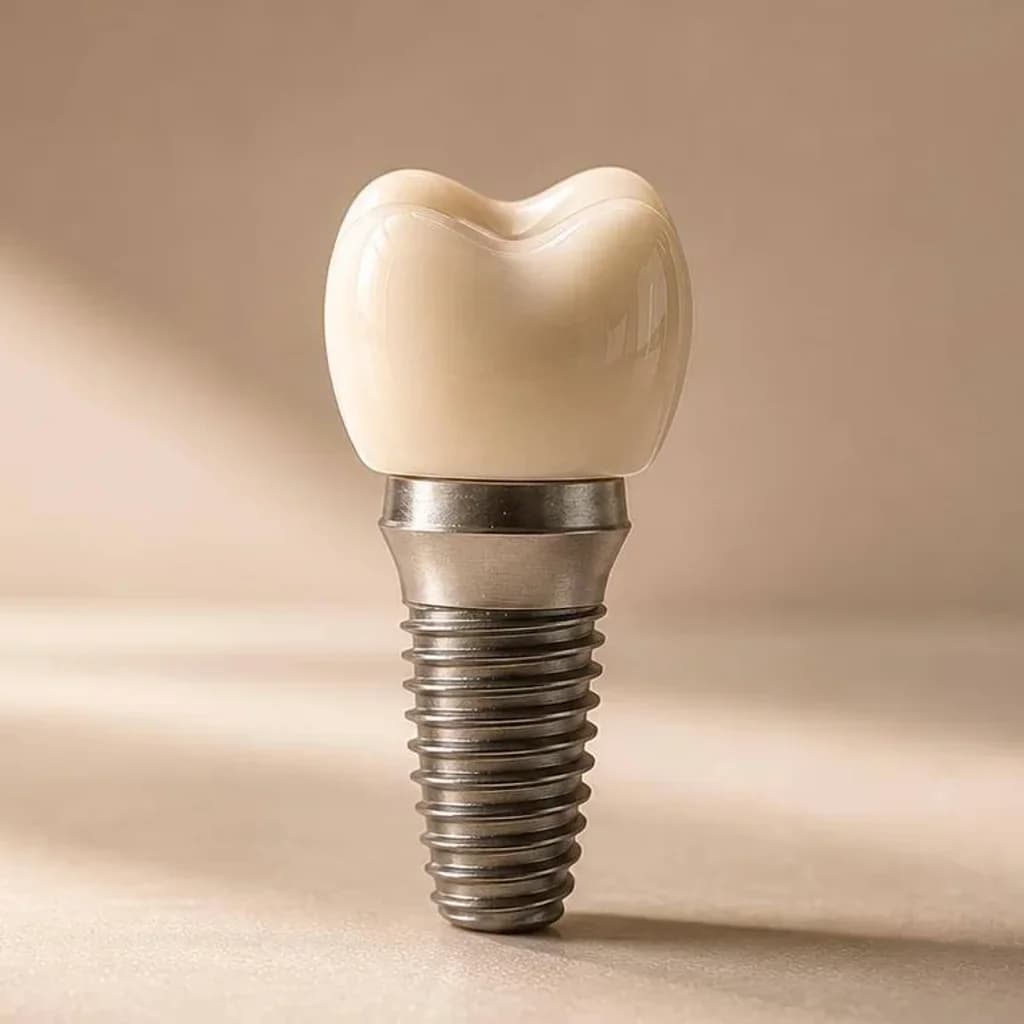
A typical dental implant restoration has three components:
Implant fixture: A small post, commonly made from titanium, placed into the jawbone.
Abutment: A connector that joins the implant to the replacement tooth.
Dental crown: The visible, custom-made tooth that restores the appearance and function of the missing tooth. Bridges or dentures can be used instead when several teeth need replacing.
As the area heals, the bone forms a stable connection with the implant through a process known as osseointegration. This connection helps support the replacement teeth during everyday use.
Why Should Missing Teeth Be Replaced?
It is easy to overlook a missing tooth, especially when the gap is towards the back of the mouth. However, leaving a gap untreated can sometimes have wider effects on dental health.
Depending on the location and number of missing teeth, you may experience:
Difficulty chewing certain foods.
Changes in speech or confidence when smiling.
Movement of neighbouring teeth into the available space.
Changes in how the upper and lower teeth meet.
Gradual reduction of bone in the area where the tooth was lost.
Not every missing tooth requires an implant. A dental consultation helps you understand whether replacing the tooth is advisable and which treatment fits your circumstances.
Types of Dental Implant Treatments
Implant dentistry is not a one-size-fits-all solution. Treatment options depend on the number of missing teeth, the condition of the jawbone and your overall oral health.
Single Tooth Dental Implant
When only one tooth is missing, an individual implant can support a custom dental crown. This approach can replace the missing tooth without requiring healthy adjacent teeth to be prepared for a conventional bridge.
Implant-Supported Dental Bridge
For several adjacent missing teeth, a bridge supported by implants may restore the gap without necessarily placing an individual implant for every missing tooth. The number and positioning of implants depend on the treatment plan.
Full Arch Dental Implants
Patients who have lost most or all teeth in an upper or lower jaw may be candidates for a full-arch restoration. Approaches commonly described as All-on-4 or All-on-6 use a specified number of implants to support a complete arch of replacement teeth. The appropriate design and whether it can be fitted immediately depend on clinical assessment.
Implant-Supported Dentures
For people who struggle with loose removable dentures, implants may provide additional retention and stability. Some implant-supported dentures can still be removed for cleaning, while other implant restorations are fixed in place.
What Are the Benefits of Dental Implants?
For suitable patients, dental implants can offer several advantages beyond simply filling a gap in the smile.
A Natural-Looking Smile
Replacement teeth can be designed to complement the colour, shape and proportions of surrounding teeth. The aim is a restoration that looks harmonious with your smile.
Improved Chewing Comfort
An implant-supported restoration may provide stable support when eating, making everyday meals more comfortable compared with an unsupported gap or an unstable denture.
Support for Jawbone Health
Implants transmit functional forces to the supporting bone and may help limit bone loss in the treated area. They cannot eliminate all future bone changes.
Preservation of Adjacent Teeth
A single implant can often restore a missing tooth independently, avoiding the need to reshape neighbouring teeth solely to support a conventional bridge.
A Long-Term Restorative Option
With appropriate treatment planning, good oral hygiene and ongoing professional maintenance, implants can serve for many years. Their lifespan varies, and crowns, screws or other components may require repair or replacement over time.
How Does Dental Implant Treatment Work?
Understanding the treatment process can make the prospect of implant surgery less intimidating. A typical journey involves several appointments, with time allowed for healing between stages.
Step 1: Consultation and Treatment Planning
Your dentist examines your teeth, gums and bite, reviews your medical history and discusses your expectations. Dental X-rays and, when indicated, three-dimensional imaging can help assess bone availability and identify nearby anatomical structures.
Step 2: Preparing the Implant Site
Existing dental infections, active gum disease or other oral health concerns may need to be treated first. If a damaged tooth is still present, it may need to be removed. Where the jawbone is insufficient, bone grafting may be recommended before or during implant placement.
Step 3: Dental Implant Placement
The implant is surgically positioned in the jawbone, usually under local anaesthesia. Your dentist will explain the procedure, appropriate pain management and what to expect during the first few days of recovery.
Step 4: Healing and Osseointegration
The implant is given time to integrate with the surrounding bone. During this stage, a temporary tooth or restoration may be appropriate, depending on the position of the implant and the treatment plan.
Step 5: Attaching the Final Restoration
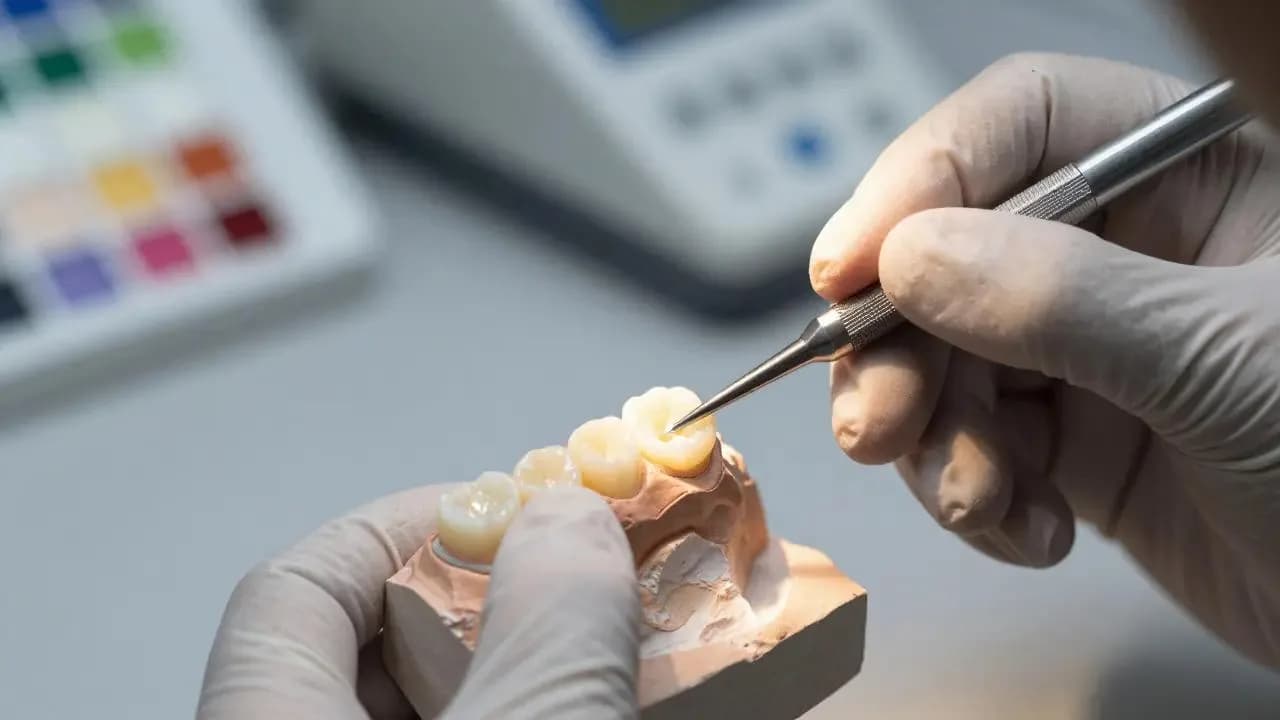
Once the implant is ready to support the planned restoration, the dental team fits the necessary connecting components and the custom crown, bridge or denture. The appearance, fit and bite are checked before treatment is completed.
Step 6: Follow-Up and Long-Term Maintenance
Regular dental visits allow the supporting tissues, restoration and bite to be monitored. Your dentist will also explain how to clean around your particular implant restoration.
Dental Implants vs Bridges vs Dentures
Dental implants are one of several ways to replace missing teeth. Each option has different advantages and considerations.
| Feature | Dental Implants | Conventional Dental Bridges | Conventional Removable Dentures |
|---|---|---|---|
| Support | Anchored in the jawbone | Supported by adjacent teeth | Supported mainly by gums and sometimes remaining teeth |
| Removability | Usually fixed for crowns and bridges | Fixed | Removable |
| Surgery | Required | Usually not required | Usually not required |
| Adjacent teeth | Often do not require preparation | Often require preparation | Depends on design |
| Treatment duration | Often several months | Often several appointments over weeks | Varies by denture type |
| Maintenance | Daily cleaning and professional monitoring | Cleaning around and beneath the bridge | Daily cleaning and periodic fit checks |
Swipe horizontally to compare treatments
The right choice depends on your clinical condition, preferences, budget and willingness to undergo surgery. Your dentist can help you weigh these considerations rather than assuming that implants are always the best option.
Who Is a Suitable Candidate for Dental Implants?
Dental implants may be considered for adults whose jaw growth is complete and who have one or more missing teeth. Suitability depends on factors such as:
The health of the gums and remaining teeth.
The amount and condition of available jawbone.
General health and the ability to heal after surgery.
Smoking or tobacco use.
Medical conditions such as poorly controlled diabetes.
Medications and previous medical treatments that may affect bone healing.
The ability to maintain daily oral hygiene and attend follow-up appointments.
Having a medical condition or reduced bone volume does not automatically rule out implant treatment. It may, however, require additional assessment, changes to the treatment plan or coordination with your medical team.
How Long Does Dental Implant Treatment Take?
The complete implant treatment timeline commonly spans several months. The healing phase alone can take a few months as the implant becomes integrated with the bone.
Some suitable patients may be offered immediate implant placement after a tooth extraction or a temporary restoration on the same day. These are separate treatment decisions and do not mean that the underlying bone has finished healing.
If bone grafting or other preparatory treatment is required, the overall timeline may be longer. Your dentist can provide an individual estimate after assessing your oral health and imaging.
What Is the Cost of Dental Implants in Udaipur?
Dental implant cost in Udaipur varies because implant treatment is planned for each patient's individual needs. Replacing one missing tooth is different from restoring an entire arch, and even single-tooth cases can vary in complexity.
The total cost can depend on:
Number of implants and replacement teeth required.
Implant system and restorative components selected.
Crown or bridge materials.
Diagnostic imaging and treatment planning.
Any necessary extractions, bone grafting or other preparatory procedures.
Temporary restorations, follow-up visits and maintenance arrangements.
When comparing dental implant prices, ask whether the quotation includes the implant fixture, abutment and final crown, as well as any additional procedures relevant to your case.
At Fernwehs Aesthetics & Dentistry, an individual consultation is the starting point for understanding your missing tooth replacement options and obtaining a personalised treatment estimate.
Are There Any Risks Associated With Dental Implants?
Dental implant placement is a surgical procedure, and complications are possible even with careful planning. Potential risks include infection, bleeding, damage to nearby structures, nerve disturbance, sinus-related problems for certain upper-jaw implants and failure of the implant to integrate with the bone.
Inflammation can also develop around an implant after healing. If this progresses to peri-implantitis, the supporting bone may be damaged. Regular maintenance and early management of symptoms are important for protecting implant health.
Your dentist should explain the risks specific to your case, available alternatives and the expected benefits before you consent to treatment.
How to Care for Your Dental Implants
Although an implant crown cannot develop tooth decay in the same way as a natural tooth, the gums and supporting bone still need ongoing care.
During recovery, follow your dentist's instructions regarding eating, cleaning, activity and any prescribed medication. Contact your treating dentist promptly if you develop worsening pain or swelling, fever, persistent bleeding or a loose implant. Seek urgent medical help for difficulty breathing or swallowing.
For long-term care:
Brush twice daily with a soft toothbrush and fluoride toothpaste to protect your remaining natural teeth and clean around restorations.
Use the interdental cleaning tools recommended for your implant design.
Avoid tobacco use, which can increase the likelihood of implant complications.
Attend professional cleaning and implant maintenance appointments at the intervals advised by your dentist.
Have changes in comfort, bite or restoration stability assessed rather than waiting for your next routine appointment.
Exploring Implant Dentistry at Fernwehs in Udaipur
Replacing missing teeth is not simply a cosmetic decision. It involves considering how your teeth function together, how your smile looks and how the proposed restoration can be maintained over time.
At Fernwehs Aesthetics & Dentistry, your implant dentistry consultation is an opportunity to discuss the gaps in your smile, understand your treatment choices and ask questions about the process, recovery and expected investment.
Whether you are considering a single tooth replacement or exploring more comprehensive dental rehabilitation in Udaipur, a personalised dental assessment can help you make an informed decision.
Good to know
Frequently Asked Questions About Dental Implants
Is dental implant surgery painful?
Local anaesthesia is commonly used during placement. Some soreness, swelling or bruising can occur afterwards. Your dentist will advise you on appropriate pain relief and recovery care.
Can dental implants last a lifetime?
Implants can last many years, but a lifetime result cannot be guaranteed. Oral hygiene, general health, tobacco use and maintenance all influence long-term outcomes. The restoration attached to an implant may need replacement before the implant itself.
Can I get a dental implant immediately after a tooth extraction?
Immediate placement is possible in selected cases. Infection, bone availability and implant stability are among the considerations that determine whether it is appropriate.
Do I need a bone graft before getting dental implants?
Not necessarily. A bone graft may be advised if there is insufficient bone to support the planned implant. Your dentist will assess this during treatment planning.
Can older adults get dental implants?
Age alone does not determine suitability. An older adult may be a candidate if their oral health, general health and ability to undergo and maintain treatment are appropriate.
Can dental implants replace all my teeth?
Implant-supported full-arch restorations and overdentures can replace a complete upper or lower set of teeth in suitable patients. A detailed assessment is needed to choose the right restoration and number of implants.
Are dental implants better than dentures?
Implants can provide improved stability for some patients, but they involve surgery, additional healing and different costs. Conventional dentures may remain a suitable option for people who prefer non-surgical treatment or are not eligible for implants.
Where can I discuss dental implant treatment in Udaipur?
You can book a dental consultation at Fernwehs Aesthetics & Dentistry in Udaipur to discuss missing tooth replacement, implant suitability and available treatment options.
Your next step
Rediscover the Comfort of a Complete Smile
A missing tooth does not have to define the way you eat, speak or smile. With appropriate planning and ongoing care, implant dentistry may offer a meaningful way to restore dental function and confidence.
Book your dental implant consultation at Fernwehs Aesthetics & Dentistry, Udaipur, and discover which missing tooth replacement option is right for you.